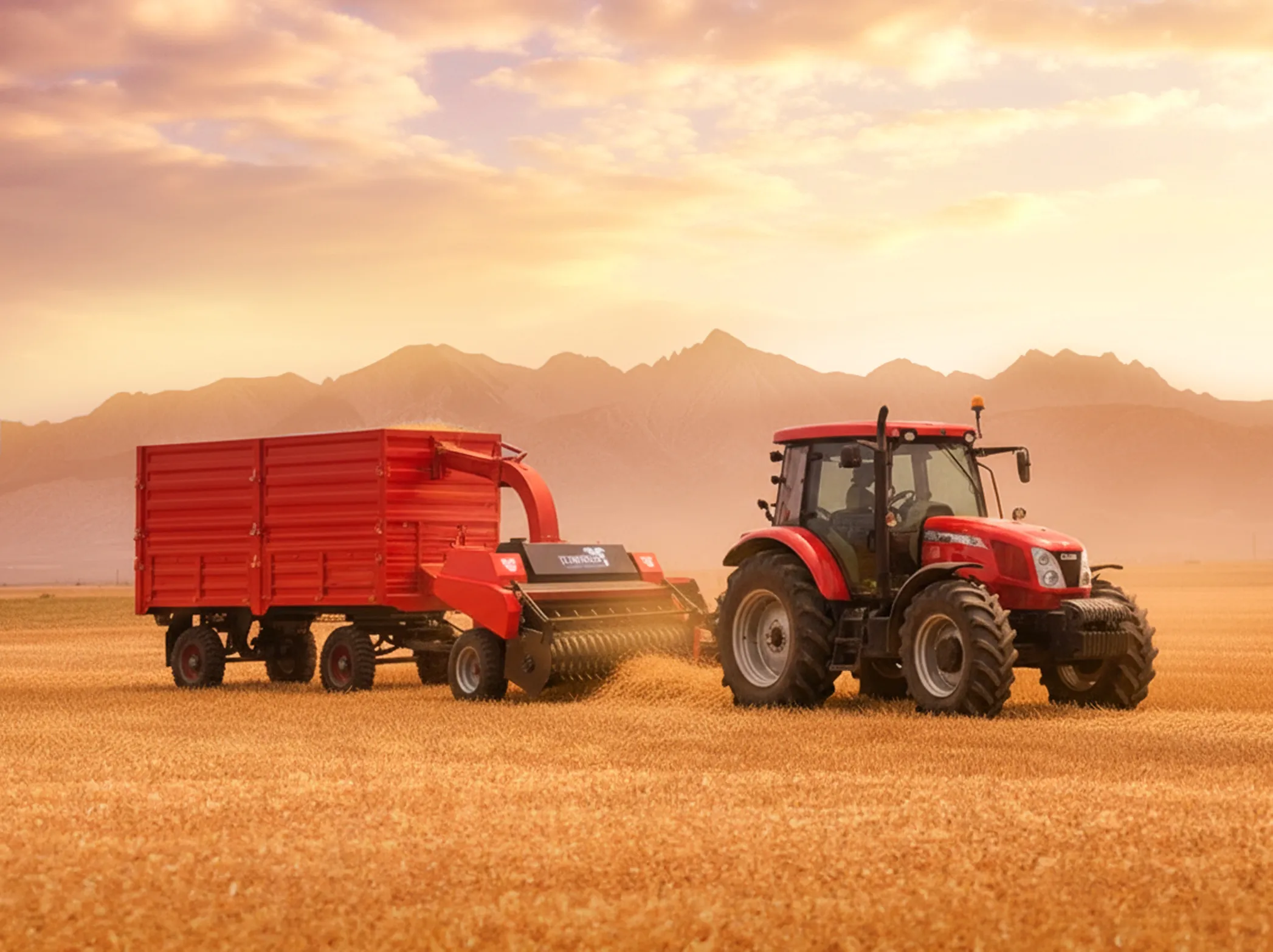


Straw Chopper: Turn Stubble into Winter Feed Cost Zero
Straw Chopper: The Stubble Left in Your Field Covers Half Your Winter Feed Budget
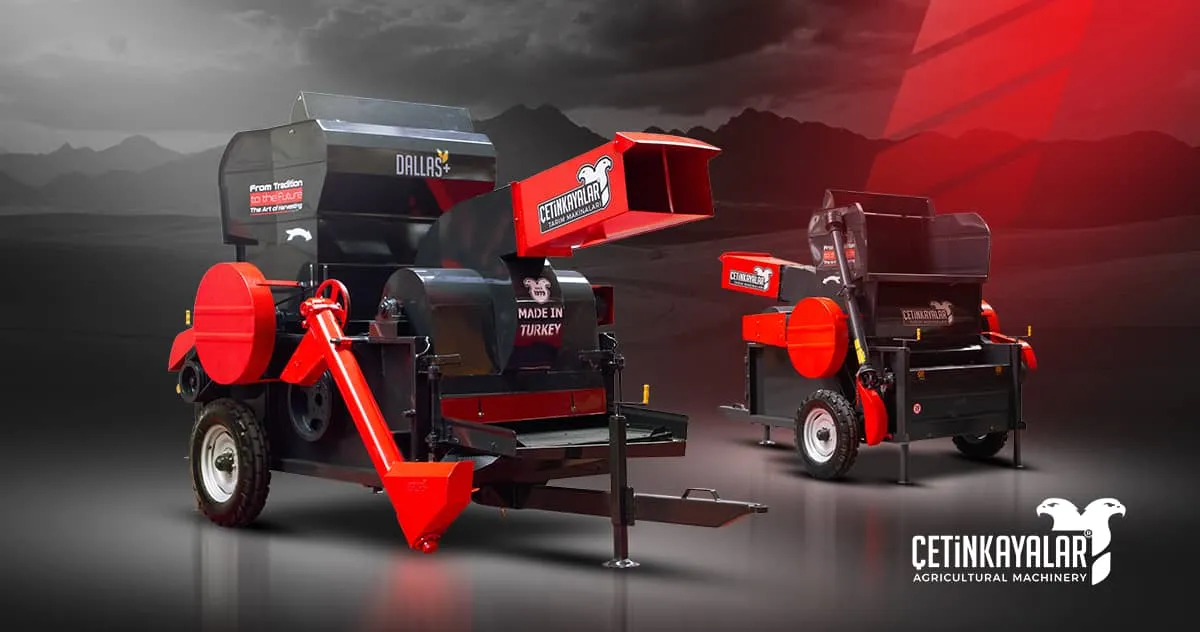
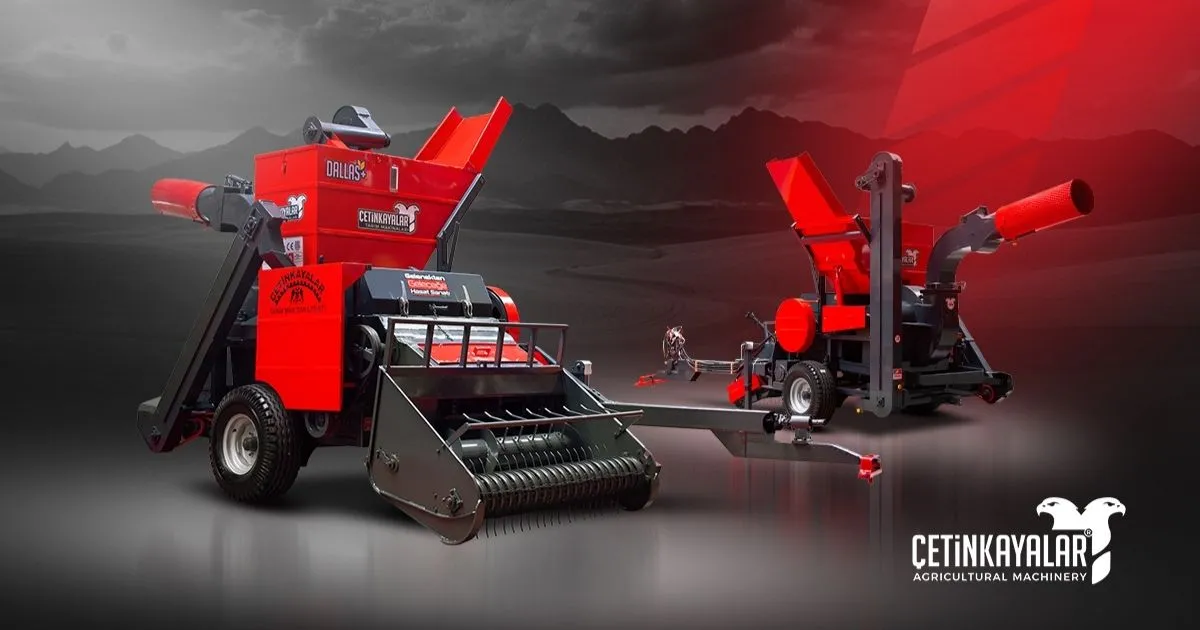
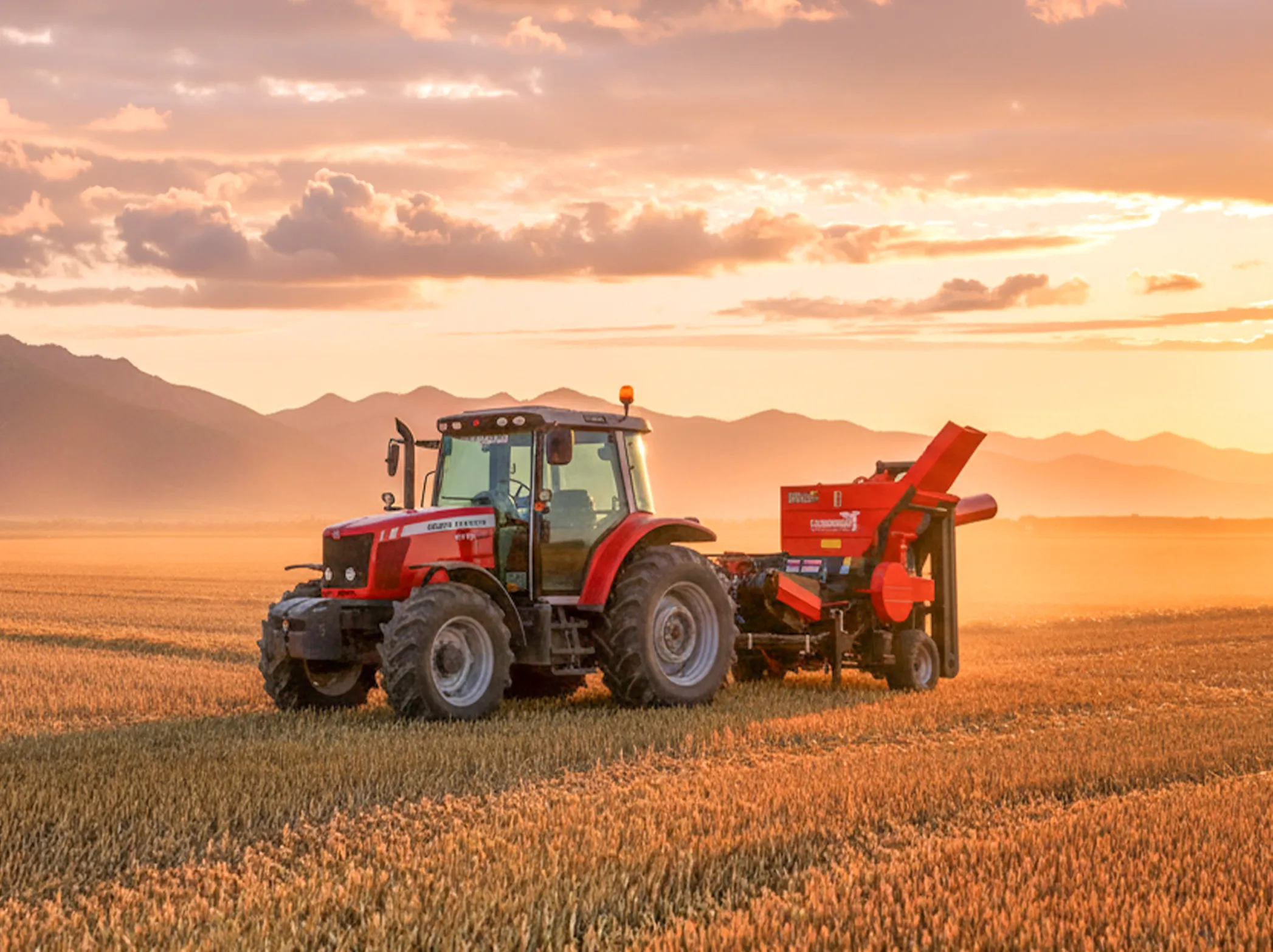
After every harvest, a combine harvester leaves the field and tonnes of straw remain. Most of it gets burned or ploughed in. Yet the same material, processed by the right straw chopper, becomes kilogram-for-kilogram equivalent to purchased feed. The Cetinkayalar NCK-03 SM performs this conversion at 2,200 kg per hour, with one operator, without leaving the field.
How Much Feed Value Is Left on the Field Without a Straw Chopper?
Stubble Economics: The Real Cost of Not Collecting
On average wheat land, 150-200 kg of straw per acre remains after combining. On a 250-acre operation, this amounts to 37,000-50,000 kg of uncollected material per season. Livestock farms without a straw chopper purchase the equivalent volume from the market. The gap between collection cost and purchase cost is the starting point for any straw chopper investment calculation.
What does manual collection actually cost per tonne?
Manual straw collection — raking, gathering, loading — requires 3-4 workers per 25 acres per day. Add transport to storage and the per-tonne cost of manual collection frequently exceeds the per-tonne market price of finished straw. The NCK-03 SM automatic stem collecting straw chopper eliminates this cost category entirely: one operator collects, processes, and loads in a single pass.
Straw chopper vs. baler: which delivers higher return for livestock farms?
A baler produces storable, sellable bales from unchopped straw. A straw chopper produces ready-to-feed processed straw for direct livestock consumption. For farms with their own herds, the straw chopper delivers higher return: feed cost avoided per kg is consistently higher than bale sale margin. Farms that both feed their own animals and sell to neighbors benefit from running both.
|
Calculation reference: 250-acre wheat field stubble potential Average straw yield: ~45,000 kg | NCK-03 SM processing capacity: 2,200 kg/hr | Total processing time: ~20 hours | Value: equivalent to market purchase price of finished chopped straw × 45,000 kg. This figure, minus fuel and operating cost, is the annual saving that justifies the machine investment. |
Standard Straw Chopper vs. Knife System: Which One Is Right for Your Operation?
Two Processing Technologies — Two Distinct End Products
Both the standard and knife system NCK-03 SM collect and process straw automatically. The difference is entirely in the drum mechanism and the resulting product quality.
Standard NCK-03 SM — automatic straw chopper for volume output
The drum beats and breaks stalks into coarse pieces. High throughput, zero blade maintenance. The right choice for large-scale feedlot operations where intake volume matters more than digestibility, and for farms that will run the straw through a mixer wagon before feeding.
Knife system NCK-03 SM — fine chop straw chopper for feed efficiency
54 specialized blades cut stalks at the fiber level. The output is consistently short, fine chop straw. Less feed waste at the trough, better dry matter intake per animal, measurably better rumen function. For dairy and breeding operations where every kilogram of feed must produce the maximum return, this is the correct model.
Do You Need a Separate Straw Blower or Loading Machine Alongside the Straw Chopper?
NCK-03 SM: Collection, Processing, and Loading in One Machine
A frequent buyer question is whether the NCK-03 SM requires a separate straw blower or transfer conveyor to load the processed straw into trailers or storage. The answer is no. The NCK-03 SM has an integrated discharge mechanism with an adjustable deflector that blows processed straw directly into a trailer or storage section at 3-5 metres effective range. No additional equipment is required for standard loading operations.
Three machines in one: what this means for cost and field logistics
Purchasing a separate straw collector, chopper, and blower as individual machines multiplies both capital cost and maintenance complexity. The NCK-03 SM consolidates all three functions into a single PTO-driven unit. One connection point, one maintenance schedule, one operator.
⚠ MOST DEBATED TOPIC IN FARMING FORUMS
Collect Straw Immediately After Harvest, or Wait for It to Dry?
This debate runs every July and August across agricultural forums in Turkey, the Middle East, and Central Asia. Two camps: 'Collect immediately — dry straw breaks and you lose material.' Versus: 'Wait — wet straw molds in storage and ruins feed quality.'
Both positions have technical merit. Straw collected immediately after harvest — while moisture content is still 18-22% — enters the pickup mechanism while flexible, reducing breakage loss and processing time. However, straw stored at this moisture level in sealed, compacted conditions carries genuine mold risk.
The practical solution supported by Cetinkayalar's technical team: collect within 2-4 days of harvest. This window is short enough to prevent significant breakage loss, yet allows surface drying to begin. Store collected straw in ventilated conditions or open windrows; avoid tight compaction in trailers. This approach minimizes both loss and mold risk simultaneously.
Automatic Stem Collecting vs. Stationary Forage Chopper: When to Choose Which?
NCK-03 SM vs. NCK-06 OM: Matching Machine to Feed Source
The Cetinkayalar straw chopper range addresses two distinct feed production scenarios. Choosing the wrong model for the feed source is the most common purchasing error in this category.
- NCK-03 SM (Automatic Stem Collecting): field stalks — wheat, barley, maize, soybean, oat. Mobile, pickup-driven, zero manual labor.
- NCK-06 OM (Alfalfa & Forage Chopper): dried alfalfa, vetch, hay. Stationary, manual hopper feeding, precision leaf-retaining drum.
- If your primary feed source is combine straw from your own fields: NCK-03 SM.
- If your primary feed source is dried cut alfalfa or vetch processed at the barn: NCK-06 OM.
- If both apply: both models address different stages of the same operation and are not substitutes for each other.
If you enjoy the content of Straw Chopper: Turn Stubble into Winter Feed Cost Zero, Please visit our news page for more content.
Please contact us for more information.
FAQ — Frequently Asked Questions
1. What is the minimum tractor HP for the NCK-03 SM straw chopper?
Standard NCK-03 SM: minimum 45 HP, optimum 55-65 HP. Knife system version: minimum 55 HP, optimum 65-75 HP due to additional blade resistance under sustained load. On maize and soybean stalks — which impose higher peak loading — 65 HP and above is recommended for both versions to prevent drum speed loss during dense patch feeding.
2. Can the knife system straw chopper process corn stalks without clogging?
Yes. The NCK-03 SM Knife System's 54-blade drum is specifically effective on hard-structured maize and soybean stalks. The drum geometry prevents clogging through its blade pitch and rotation speed combination. The only adjustment needed is matching tractor forward speed to stalk density — slowing down in heavy-yield sections prevents overfeeding and maintains clean throughput.
3. How does the NCK-03 SM straw chopper compare to a chaff cutter?
A traditional chaff cutter is a stationary, manually-fed machine that cuts straw into short lengths. The NCK-03 SM Knife System is the automated field equivalent: it automatically collects from the field, cuts to fine chop length via 54 blades, and loads into the trailer in one pass. Capacity is incomparable — a traditional chaff cutter processes a fraction of the NCK-03's 2,200 kg/hour throughput, and requires manual labor for every kilogram processed.
People Also Ask (PAA)
What crops can an automatic straw chopper collect from the field?
The NCK-03 SM collects and processes wheat, barley, oat, maize, and soybean stalks. For alfalfa automatic field collection, the NCK-03 SM works technically, but leaf loss is higher than the stationary NCK-06 OM. For cumin and similar fine-stemmed crops, the standard system is sufficient; for dense-stemmed crops like maize, the knife system delivers cleaner results. Cetinkayalar technical support confirms compatibility for any crop type on request.
Does a straw chopper machine affect stubble management and next-season soil preparation?
Yes, positively. Collecting stubble with the NCK-03 SM removes the need for stubble burning — a practice that destroys soil structure and is increasingly restricted in Turkey and export markets. Collected stalks converted to feed eliminate field residue, reducing the time and cost of soil preparation before the next planting cycle. Some operators report measurably shorter tillage time after NCK-03 SM operation compared to burned or ploughed-in stubble.
Is the knife system straw chopper worth the extra cost over the standard model?
The answer depends entirely on what you do with the straw. If you feed dairy cattle or breeding livestock where feed efficiency drives profitability, the fine chop quality of the knife system generates measurable return through reduced feed waste and improved animal intake. If you process straw purely for bedding or bulk volume storage, the standard model is sufficient. The blade maintenance cost difference between the two models is real but manageable — and is recoverable within 1-2 seasons in a livestock operation of 50+ animals.
Can the NCK-03 straw chopper work as a straw blower for storage filling?
The NCK-03 SM's integrated discharge mechanism blows processed straw 3-5 metres, sufficient for direct trailer loading. For filling elevated storage bins or loft areas, the deflector direction can be adjusted upward. For distances beyond 5 metres, a short transfer channel attachment is available. Cetinkayalar provides on-site configuration guidance for non-standard storage setups at point of sale.