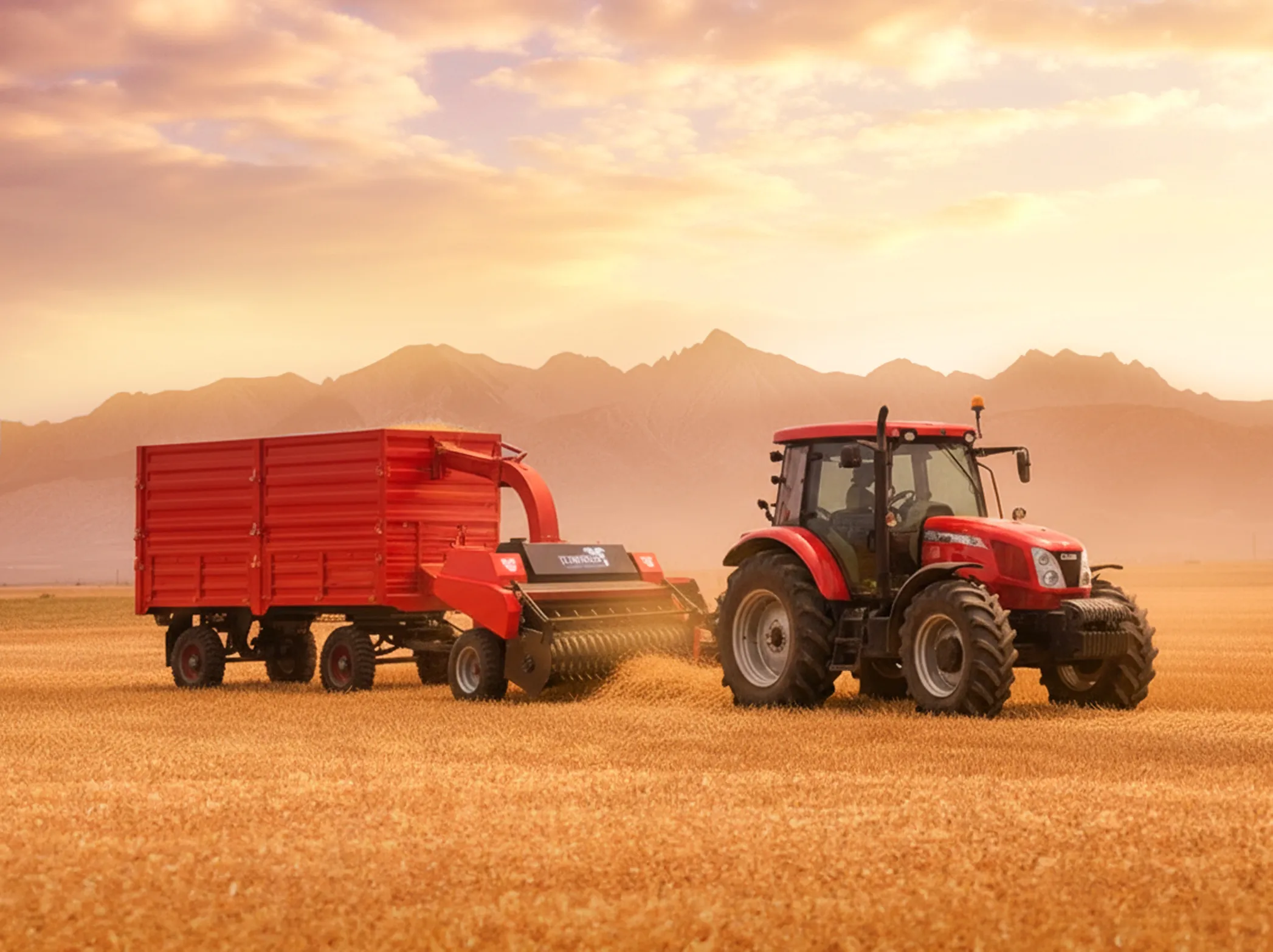


Thresher Machine Price
Thresher Machine Price: Stop Comparing List Prices and Start Comparing Total Cost
Most buyers researching thresher machine price make the same mistake: they compare list prices and choose the lowest number. In agricultural equipment, this approach is the most expensive decision a farm can make. Two threshing machines at identical list prices can differ by multiples in five-year total cost of ownership. The following five factors determine what a threshing machine actually costs — and none of them appear on a catalog price sheet.
What Five Factors Actually Determine Thresher Machine Price Over Time?
1. Model and Automation Level
Thresher machine price rises in direct proportion to automation level — from PTO-driven standard series to fully automatic pickup. But this rise is not purely a cost; it is a labor displacement. Higher automation means lower seasonal labor dependency. In high-wage or labor-scarce markets, the payback calculation often reverses: the more expensive machine delivers lower total cost within 3-4 seasons.
What does the price gap between NCK-01 and NCK-04 actually represent?
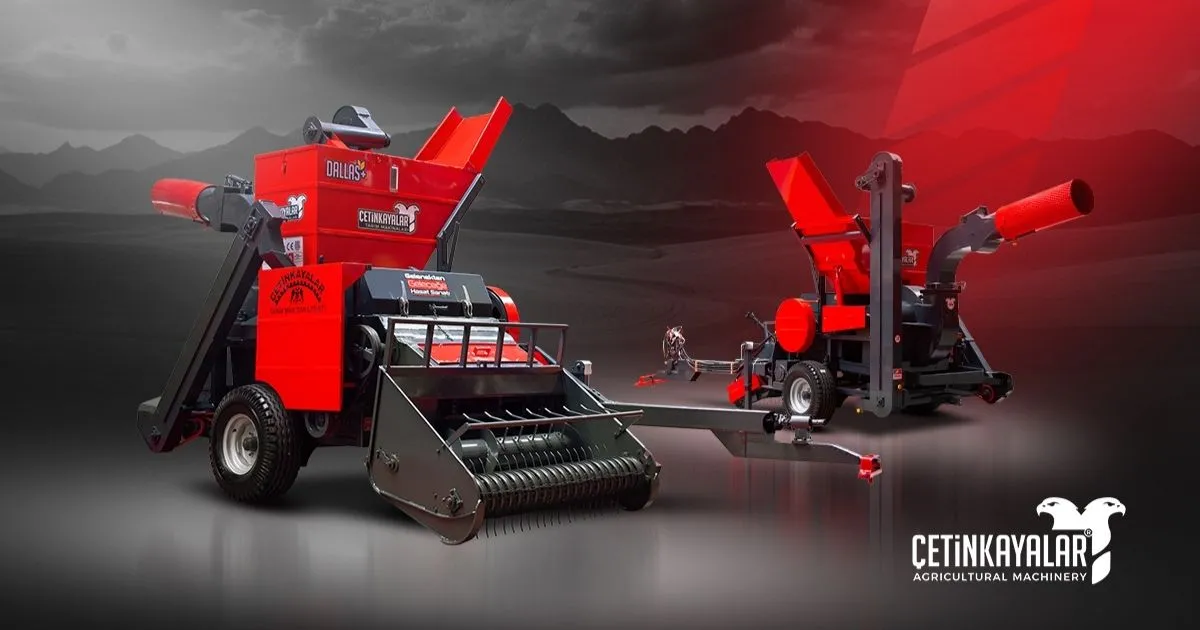
Cetinkayalar Agriculture The NCK-01 PTO-driven series has a significantly lower entry price than the NCK-04 Automatic Pickup. But harvesting with the NCK-01 requires manual bagging and an additional worker for feeding. This labor cost accumulates season by season, often exceeding the initial price difference within the machine's first third of its operating life.
2. Spare Parts Cost and Availability
Spare parts cost is the most consistently overlooked variable in thresher machine price comparisons. Some lower-priced machines have poor original parts availability — meaning aftermarket fabricated parts, which cost significantly more and often underperform. A machine with stocked original parts delivers a predictable maintenance budget; a machine without does not.
What does seasonal maintenance actually cost?
A threshing machine's seasonal maintenance list covers: sieve replacement (every 2-3 seasons depending on wear), belts and pulleys (annual check), drum bearings (major overhaul every 5-7 seasons). All of these are predictable with an established manufacturer holding genuine stock. With a machine from a discontinued or unknown line, each of these items becomes a sourcing problem.
3. Steel Quality and Chassis Lifespan
Two machines at similar price points may use substantially different steel thickness and processing standards. This difference is invisible in the first two seasons. It appears in years four through six as chassis cracks and weld-zone fatigue. A machine with lower steel grade that fails structurally mid-life does not deliver the savings its list price suggested.
4. Service Network and Downtime Cost
A single day of thresher breakdown during harvest season costs more than the repair bill. Crop quality loss on already-cut windrowed material, labor day losses, and delayed operations — all of these belong in a thresher machine price comparison. A manufacturer with a wide service network and stocked spare parts fundamentally reduces the total cost of any potential failure.
5. Multi-Crop Flexibility
Thresher machine price comparisons rarely include the cost of crop-switching configuration kits. A wheat thresher machine that cannot be cost-effectively converted to chickpeas or lentils locks the operator into a single crop. Manufacturers that include standardized sieve and pulley kits as part of the machine package have embedded this cost in the starting price — it is not a hidden extra.
Model-Based Threshing Machine Price Analysis
|
Model / Series |
Price Class |
Labor Saving |
Automation |
TCO Profile |
|
NCK-01 PTO Standard |
Lowest |
Low |
Manual feeding |
Low entry, high labor cost |
|
NCK-01 HMS Gear Box |
Low-Mid |
Low |
Manual + stable drum |
Low entry, efficient drum |
|
NCK-02 Single Elevator |
Mid |
High |
Mobile hopper |
Mid entry, low labor |
|
NCK-02 Double Elevator |
Mid-High |
High |
Hopper + recycling |
Zero-loss on pulses |
|
NCK-04 Pickup Thresher |
High |
Maximum |
Full auto pickup |
High entry, zero labor |
|
NCK-05 Groundnut |
Specialty |
High |
Precision drum |
Uncontested crop category |
⚠ MOST DEBATED TOPIC IN FARMING FORUMS
Is Thresher Machine Price Negotiable? Pre-Season vs. Post-Season — When to Buy?
This timing question appears consistently on agricultural equipment forums across Turkey and export markets. The practical answer: pre-season (March-May) is the optimal negotiation window. Manufacturers are actively taking orders and early commitments may attract advantages. Peak season (June-August) sees maximum demand — delivery times extend and price negotiation leverage shifts to the seller. Post-season (September-February) occasionally offers stock-clearance advantages on in-inventory models.
However, the most consistent forum consensus on thresher machine price is this: the discount negotiated on price is rarely worth choosing the wrong model. A correctly matched machine at full price outperforms a discounted wrong model every season. Price optimization matters; model optimization matters more.
If you enjoy the content of Thresher Machine Price, Please visit our news page for more content.
Please contact us for more information.
FAQ — Frequently Asked Questions
1. Why does thresher machine price vary so widely between models?
The range reflects genuine differences in automation level, drum system engineering, hopper capacity, and structural specification. The NCK-01 and NCK-04 are both threshing machines — but they address completely different operational needs. Price correlates with labor displacement and operational automation, not simply with size or brand.
2. How does thresher machine price in Turkiye compare to Chinese alternatives?
Turkish threshing machines from established manufacturers are priced above entry-level Chinese alternatives but below comparable European equipment. The price premium over Chinese entry-level models reflects structural durability, genuine spare parts availability, and after-sales service infrastructure — factors that determine total cost of ownership rather than purchase price alone.
3. What does a small threshing machine cost compared to a full-capacity model?
The NCK-01 PTO-driven series represents the entry price point in the Cetinkayalar range and delivers full 2,200 kg/hour rated capacity — the same as all NCK models. Price difference within the range does not reflect capacity difference; it reflects automation and operational convenience. There is no 'smaller capacity' compromise in the NCK range; every model delivers the same throughput at different automation levels.
People Also Ask (PAA)
What is the total cost of ownership for a farm thresher over 5 years?
A five-year TCO calculation for a farm thresher should include: purchase price, seasonal fuel cost at rated PTO load, annual maintenance and wear parts, labor cost per season (varies significantly by model), any repair events (statistically 1-2 per decade for well-maintained machines), and residual value at year five. For farms with high labor cost, the TCO gap between NCK-01 and NCK-04 typically narrows to near-zero within three seasons.
Does thresher machine price include spare parts and service?
Standard machine purchase does not include a spare parts package unless specified. Cetinkayalar offers optional spare parts packages — particularly for export orders — sized for 2-3 seasons of standard maintenance. For domestic buyers, the nationwide service network provides parts on demand without pre-purchase. Buyers operating in regions without local service access should discuss spare parts packaging at point of sale.
How does thresher machine price compare for rice and maize configurations?
The base machine price is identical regardless of crop configuration — what changes is the sieve kit and setup time. Cetinkayalar supplies crop-specific sieve kits for rice thresher machine, maize thresher machine, and millet threshing machine configurations as accessories. These kits are priced separately and represent a small fraction of machine cost. A single machine with the correct sieve kit collection covers wheat, rice, maize, pulses, and millet without additional capital investment.
Is buying threshing equipment on installment available in Turkiye?
Yes. Tarım Kredi Kooperatifleri (Agricultural Credit Cooperatives) and major banks offer agricultural equipment financing for qualified buyers. TKDK grant programs also partially finance eligible equipment purchases. For details on current financing terms and eligibility, contact Çetinkayalar's authorized sales network or the nearest Tarım Kredi Kooperatifi branch.